Seeing the Taj Mahal at Sunrise: A Complete Guide
Almost everyone who has seen the Taj Mahal at dawn says the same thing: it is worth the early alarm. The monument looks different in that first light than at any other hour, the heat has not yet arrived, and the great marble plaza is quiet enough to actually take it in. This guide covers what you need to plan a sunrise visit — when the gates open, what tickets cost, how to get there from Delhi or Agra, and what the morning is actually like once you are inside.
Why Sunrise Is the Best Time to See the Taj Mahal
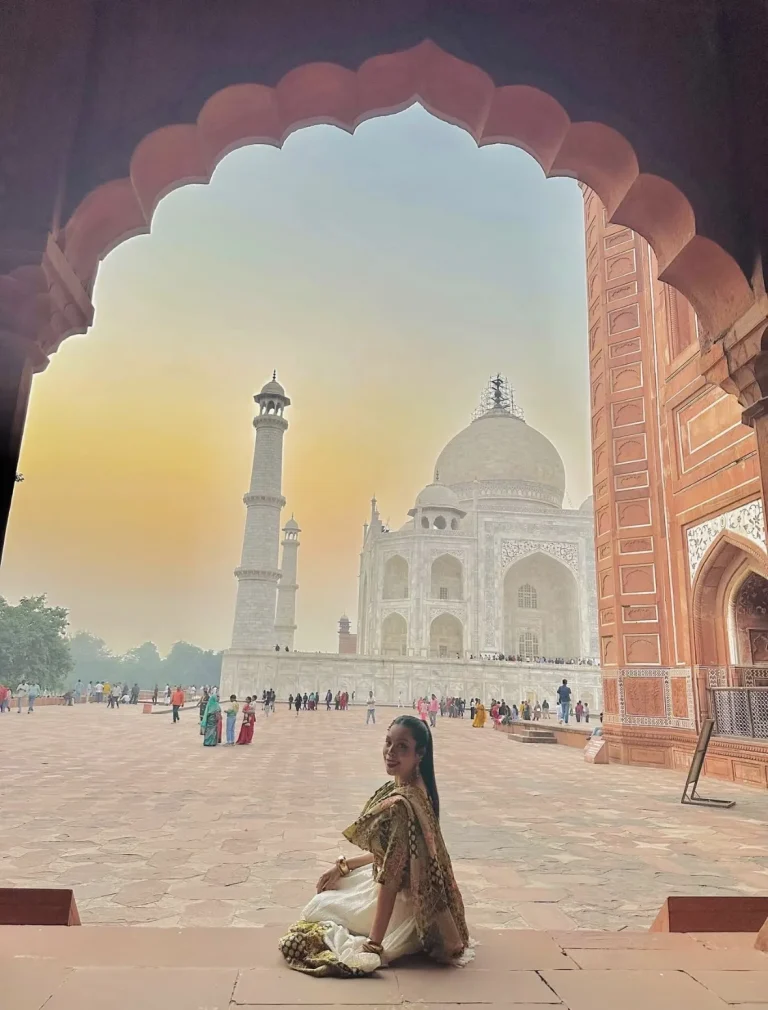
Three things make dawn special. First, the light: the Taj is built from white marble that catches and reflects colour, so at sunrise it glows soft pink, then warm gold, then settles into the famous dazzling white, all within about half an hour. Second, the crowds: the gates are at their quietest right at opening, before the tour buses and the midday rush arrive, which means clearer photographs and a calmer experience on the platform. Third, the temperature: for much of the year Agra is uncomfortably hot by late morning, and a sunrise visit lets you see everything in cool, pleasant air before the day heats up. It is the reason nearly every well-planned itinerary places the Taj first thing in the morning.
“Great experience with this tour company. Our driver is a very helpful person. Our guide Danish gave us lots of detail on Old and New Delhi. Highly recommended.”
What Time Does the Taj Mahal Open for Sunrise?
The Taj Mahal opens 30 minutes before sunrise and closes 30 minutes before sunset, so the exact opening time moves through the year with the sun. In the cool season it is a comfortable start; in high summer it means a very early one. As a rough guide for Agra:
| Season | Approx. sunrise | Taj opens around |
|---|---|---|
| December – January | 6:50 – 7:10 am | 6:20 – 6:40 am |
| February – March | 6:15 – 6:50 am | 5:45 – 6:20 am |
| April – June | 5:25 – 5:45 am | 5:00 – 5:15 am |
| October – November | 6:00 – 6:40 am | 5:30 – 6:10 am |
One date to keep in mind: the Taj Mahal is closed every Friday for general visitors, so plan your Agra morning for any other day of the week. Times above are approximate and shift year to year, so confirm the exact sunrise for your dates when you plan.
Taj Mahal Tickets and Entry for a Sunrise Visit
For foreign tourists, the entry ticket is ₹1,100, which covers the grounds and the viewpoints in front of the monument. If you want to go up onto the raised platform and into the main mausoleum itself, there is an extra ₹200, which is optional. Booking online rather than at the counter saves ₹50 per foreign ticket, and children under 15 enter free. Ticket counters at the Western and Eastern gates open about an hour before sunrise, so if you are buying on the day, arrive early to avoid missing the best light while you queue. (Prices are set by the Archaeological Survey of India and can change, so treat these as a guide and confirm current rates when you book.)
A practical note on gates: the Western and Eastern gates are the ones most visitors use, and security is airport-style, so leave large bags, tripods, food and drones behind — only phones, cameras and small essentials are allowed through. On a guided visit this is all handled for you, including tickets bought in advance so you walk straight in.
Getting to the Taj for Sunrise — From Agra and From Delhi
If you are already staying in Agra, a sunrise visit is easy: most hotels are 10 to 30 minutes from the gates, so you leave in the dark and are among the first inside. This is the most relaxed way to do it, and the main reason many itineraries include a night in Agra.
From Delhi it takes a little more planning, because the city is roughly 230 kilometres away — about three and a half to four hours by road. There are two sensible ways to catch the dawn:
- Stay overnight in Agra. Drive or take the train down the day before, see Agra Fort in the afternoon, and be at the Taj for sunrise the next morning fresh. This is the comfortable option and fits naturally into a 4-day Golden Triangle tour, where the sunrise Taj falls on the Agra day.
- Go early from Delhi as a day trip. A pre-dawn departure by car gets you to Agra for mid-morning rather than true sunrise, while the Gatimaan Express train is the fastest same-day option. Our Taj Mahal sunrise tour by car from Delhi is built around catching first light, and the same-day Agra tour covers the day-trip route if an overnight does not suit your schedule.
What a Sunrise Visit Is Actually Like
You arrive in the dark and pass through the great red-sandstone gateway just as the sky begins to lighten. The Taj appears ahead across the forecourt, at first a pale silhouette, then catching the earliest colour. For the next half hour the marble changes with the light while the plaza is still calm — this is the window photographers wait for. As the sun lifts, the detail comes alive: the inlaid flowers of semi-precious stone, the perfect symmetry of the four minarets, the Quranic calligraphy around the arch. Most visitors spend one to two hours here, wandering the gardens, walking up to the platform, and circling round to the river side behind the mausoleum, which far fewer people reach.
Photography Tips for the Taj at Sunrise
You do not need professional gear to come away with a great photo, but a few things help. Get your classic shot from the main gateway or the central reflecting pool first, before the plaza fills. The soft, even light of the first half hour is the most flattering, so prioritise that over lingering too long. For the reflection, a still morning and the long pool give the best mirror. Walk to the sides and the rear for less familiar angles, and remember that photography is not permitted inside the main mausoleum chamber itself. If you care most about calm, empty frames, the minutes right at opening are precious — use them.
The Best Months for a Sunrise Visit
Agra is at its most pleasant from October to March, when mornings are cool and clear and the early start is easy. Winter can bring a light dawn haze or fog in December and January — atmospheric in photos, though it can occasionally soften the view — which usually lifts as the sun rises. April through June is hot, so sunrise becomes the only comfortable time to be out, and the monsoon months of July to September bring greener surroundings and dramatic skies between showers. For a fuller breakdown by month, see our guide to the best time to visit the Golden Triangle.
How Sunrise Compares to Other Times of Day
| Time of day | Light & crowds | Best for |
|---|---|---|
| Sunrise | Soft, changing colour; quietest of the day; cool air | Photography, calm, beating the heat — the top pick |
| Midday | Bright, flat light; busiest; often hot | Travellers who cannot make an early start |
| Sunset | Warm golden light; moderate crowds | A beautiful alternative if mornings do not suit |
Sunrise wins on light, crowds and comfort, which is why it is the default on a well-planned trip. Because every tour we run is private, though, you can choose sunset instead if an early morning does not work for you — the point is that the choice is yours.
See the Taj Mahal at Sunrise on a Private Tour
Tell us your dates and whether you’d like a sunrise Taj as a day trip from Delhi or as part of a longer Golden Triangle trip, and we’ll send a private, tailor-made plan with all-inclusive pricing in US dollars within 24 hours.
Call US: +1 (929) 335-9645 | India: +91 84302 51784 | WhatsApp | info@perfectagratours.com