Best Time to Visit the Golden Triangle: A Season-by-Season Guide for First-Time Travellers
You booked the flight. You saved the days off. Now you’re staring at the screen trying to figure out: when exactly should you go? That question trips up a lot of first-time travellers to India. The Golden Triangle is not a place where any month works equally well — pick the wrong window and the heat hits you like a wall, or the rain washes out your outdoor plans. We’ve guided over 10,000 travellers through these three cities since 2015, and the answer we give every client is the same: plan between October and March. Here’s why — and what each season inside that window actually feels like on the ground.
Why Do Most Travellers Struggle to Pick the Right Month?
The problem isn’t a lack of information — it’s too much of it. One site says October is dusty, another says December is cold, a third calls March unpredictable. Nobody tells you what that means for the person standing outside the Taj Mahal at 6 a.m. The three cities sit roughly 200–240 km apart and behave differently: Delhi is higher and gets cooler winters; Agra, near the Yamuna floodplain, heats up faster and stays hotter; Jaipur in Rajasthan has the driest air and the sharpest morning-to-afternoon swings. Those differences matter when you’re planning back-to-back outdoor monuments.
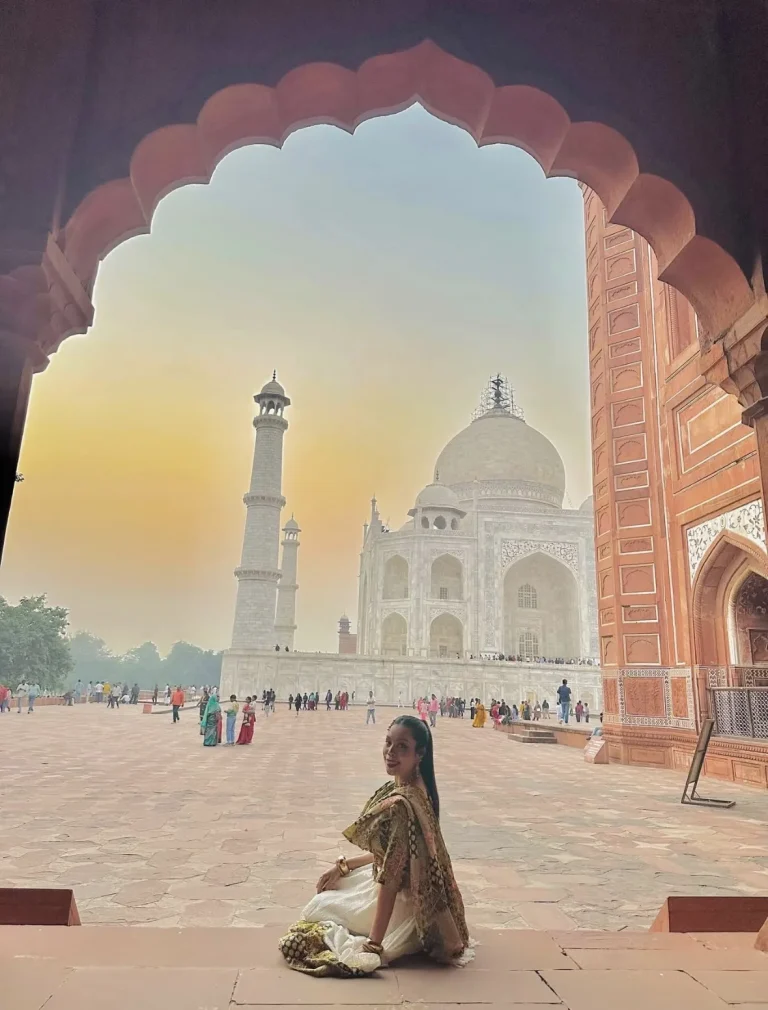
“Great experience with this tour company. Our driver is a very helpful person. Our guide Danish gave us lots of detail on Old and New Delhi. Highly recommended.”
What Are October and November Like for Sightseeing?
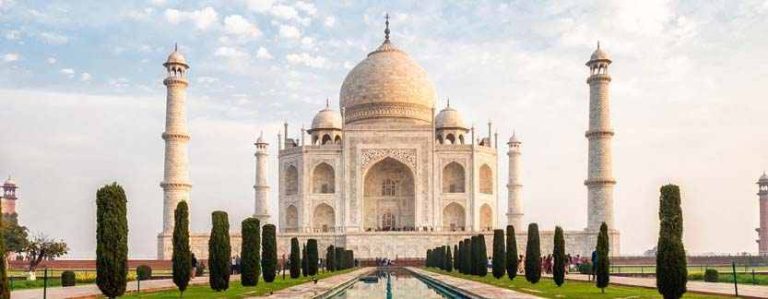
October and November open what locals call the tourist season. The monsoon ends in mid-September and the air clears fast; by early October the skies over Delhi are blue, the Taj Mahal photographs beautifully, and you can walk Amber Fort before 10 a.m. without sweating through your shirt. Daytime temperatures sit at 22–30°C in October, dropping to 18–26°C in November.
October carries one caveat most guides skip: Delhi’s air can turn hazy in late October and early November from crop-burning in nearby states. If you’re sensitive to air pollution or travelling with children, late October deserves a conversation before you finalise dates. Our team tracks air-quality conditions and moves Delhi’s outdoor visits earlier in the morning when needed. November is cleaner, cooler, and one of the most productive months to travel.
- Sunrise Taj Mahal visits without the fog that affects January mornings
- Full days of outdoor sightseeing without heat exhaustion
- Golden natural light — warm tones without the flat winter glare
- Dry roads, so the 4-hour Agra-to-Jaipur drive is smooth
Is December and January Too Cold for the Golden Triangle?
A misconception worth clearing up: December and January here are not “snow and frost” cold. Daytime temperatures hover between 15°C and 22°C (roughly 59–72°F). You’ll want a light jacket for mornings and evenings; afternoons are pleasant for sightseeing. The real challenge is fog — dense morning fog rolls into Agra and Delhi on some days, particularly from late December through mid-January, and on heavy days the Taj Mahal can be nearly invisible at sunrise. Anyone who tells you December is flawless is leaving out this part.
It’s manageable with the right planning. We build a backup into every December–January itinerary: if fog is forecast, we shift the Taj Mahal visit to mid-morning when it clears, monitor conditions the evening before, and call you with an updated start time. Travellers who hit a clear winter morning often say the light on the marble is extraordinary.
- Lower hotel rates than peak November and February
- Smaller weekday crowds at major monuments
- Cool, dry afternoons ideal for walking Old Delhi’s lanes
- A festive feel in Jaipur, with local events and markets
Season-by-Season Comparison: October to March
| Month | Daytime temp | Morning temp | Main concern | Crowd level |
|---|---|---|---|---|
| October | 22–30°C | 16–20°C | Occasional Delhi haze late Oct | Moderate |
| November | 18–26°C | 12–16°C | None significant | High |
| December | 15–22°C | 7–12°C | Morning fog in Agra and Delhi | Moderate–High |
| January | 14–20°C | 5–10°C | Dense fog; coldest nights | Moderate |
| February | 18–26°C | 10–15°C | None significant | High |
| March | 22–32°C | 14–18°C | Afternoons warming fast | Moderate–High |
Why Do Experienced Travellers Pick February and March?
February and March are the most dependable months across all three cities. The fog season ends by mid-February and the heat hasn’t arrived; mornings are cool enough for outdoor sightseeing and afternoons are warm without being draining. If you want the Taj Mahal at sunrise with clear skies and enough energy left for Agra Fort afterward, February or early March delivers consistently. February also coincides with the Jaipur Literature Festival, one of the world’s largest public literary gatherings — worth planning around if you’re interested in arts and culture beyond the monuments. March warms up by mid-month but stays comfortable until early April; we start monument visits by 8 a.m. and use the midday heat for lunch or the drive between cities.
- No fog, no heat — the most predictable weather of the season
- Amber Fort at its most photogenic in February’s winter light
- Good hotel availability, though booking 6–8 weeks ahead is wise
- Dry, fast roads between Delhi, Agra, and Jaipur
What if You Travel Outside the October–March Window?
We run tours year-round, so this isn’t about telling you not to come — it’s about preparing honestly. April–June is intense heat; Agra regularly crosses 42–45°C in May and the Taj Mahal’s white marble reflects the sun, making the experience demanding by 9 a.m. We shift every outdoor visit to before sunrise, use midday for indoor museums or hotel rest, and resume in the late afternoon. July–September is monsoon; rain can be heavy and roads between cities flood on bad days, which makes a fixed 4-day itinerary harder to execute. August and early September are the riskiest months for schedule reliability.
How Timing Affects What You See in Each City
| City | October–November | December–January | February–March |
|---|---|---|---|
| Delhi | Clear skies; great for Old Delhi walks and outdoor monuments | Cooler mornings; occasional light fog, manageable | Warm afternoons; morning sightseeing is ideal |
| Agra | Excellent Taj Mahal conditions; mild mornings | Dense fog risk on some mornings; mid-morning visits safer | Clear skies return; Feb is the most reliable for sunrise |
| Jaipur | Bright, dry, photogenic; Amber Fort walk is comfortable | Cold evenings but dry days; fort walk very pleasant | Warming afternoons; mornings best for Amber Fort |
How Many Days Do You Need?
This depends on how much you want to absorb versus cover. A 3-day itinerary covers the highlights at a fast pace. The 4-day itinerary — our most popular option — gives a full day in Delhi, a sunrise Taj Mahal visit in Agra, and a complete day in Jaipur, privately guided at a comfortable pace; it’s the structure most US travellers find best for a first visit. Five or six days adds room for a textile workshop in Jaipur, a street-food walk in Chandni Chowk, or an early-morning elephant visit near Amber Fort. (See our full breakdown of how to choose 3, 4, or 5 days.)
What to Know Before You Book
- Book 6+ weeks ahead for November, February, and Christmas week. Hotel availability drops fast, and the better hotels at every price point go first.
- Private tours outperform group tours here. The three cities need early starts, midday flexibility, and custom monument sequencing that a fixed group bus can’t absorb.
- The Agra-to-Jaipur drive takes 4.5–5 hours. We schedule a stop at Fatehpur Sikri so road time becomes sightseeing, not dead time.
- Guide quality is the most underestimated factor. We work with government-licensed, English-speaking guides whom past clients mention by name in their reviews.
- Carry a light layer for December–January mornings. The marble floors of the Taj Mahal are cold underfoot and the gate area catches a wind chill.
Plan Your Golden Triangle Trip With Experts Who Live Here
Tell us your dates, group size, and what you most want to experience. We’ll send a tailor-made itinerary and a clear, all-inclusive quote within 24 hours — a real person replies, not an automated form. Travelling from the US? See our Golden Triangle tour from the USA.
Call US: +1 (929) 335-9645 | India: +91 84302 51784 | WhatsApp | info@perfectagratours.com
Planning your trip? See our guides on the what a Golden Triangle tour costs and how to plan a trip to India from the USA.