How to Plan a Trip to India from the USA: A First-Timer’s Step-by-Step Guide
Booking a flight to India feels different from booking one to Paris or Cancun. You open your laptop, search a few dates, and suddenly face a dozen browser tabs about visas, vaccinations, monsoon season, and which city to fly into first. Most first-time travelers from the United States hit this same wall within the first ten minutes of research. The good news is that a trip to India follows a clear order once you know the sequence. This guide walks through that sequence step by step, covering your visa, your flight, your timing, and what actually happens the moment you land in Delhi.
Which Cities Should a First-Time Itinerary Include?
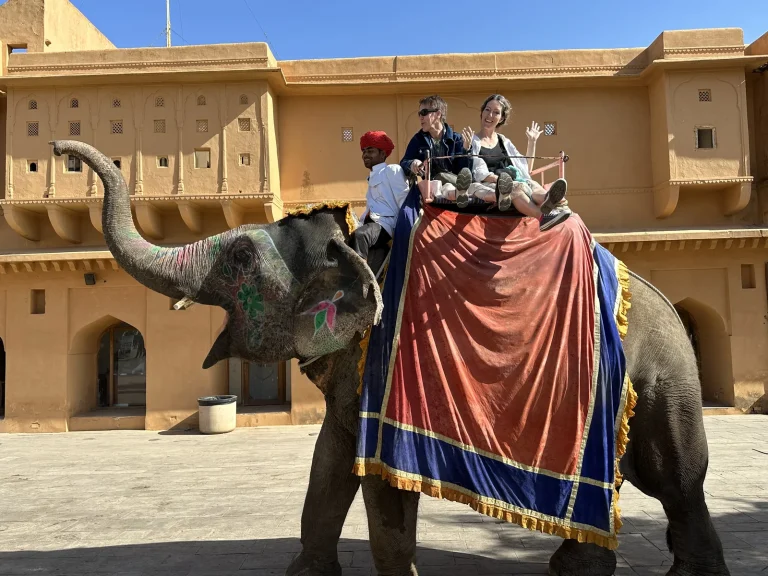
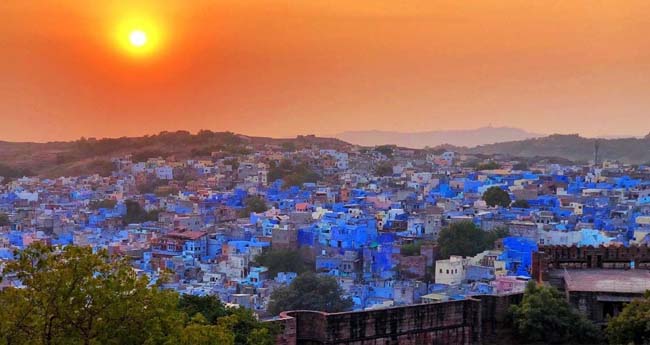
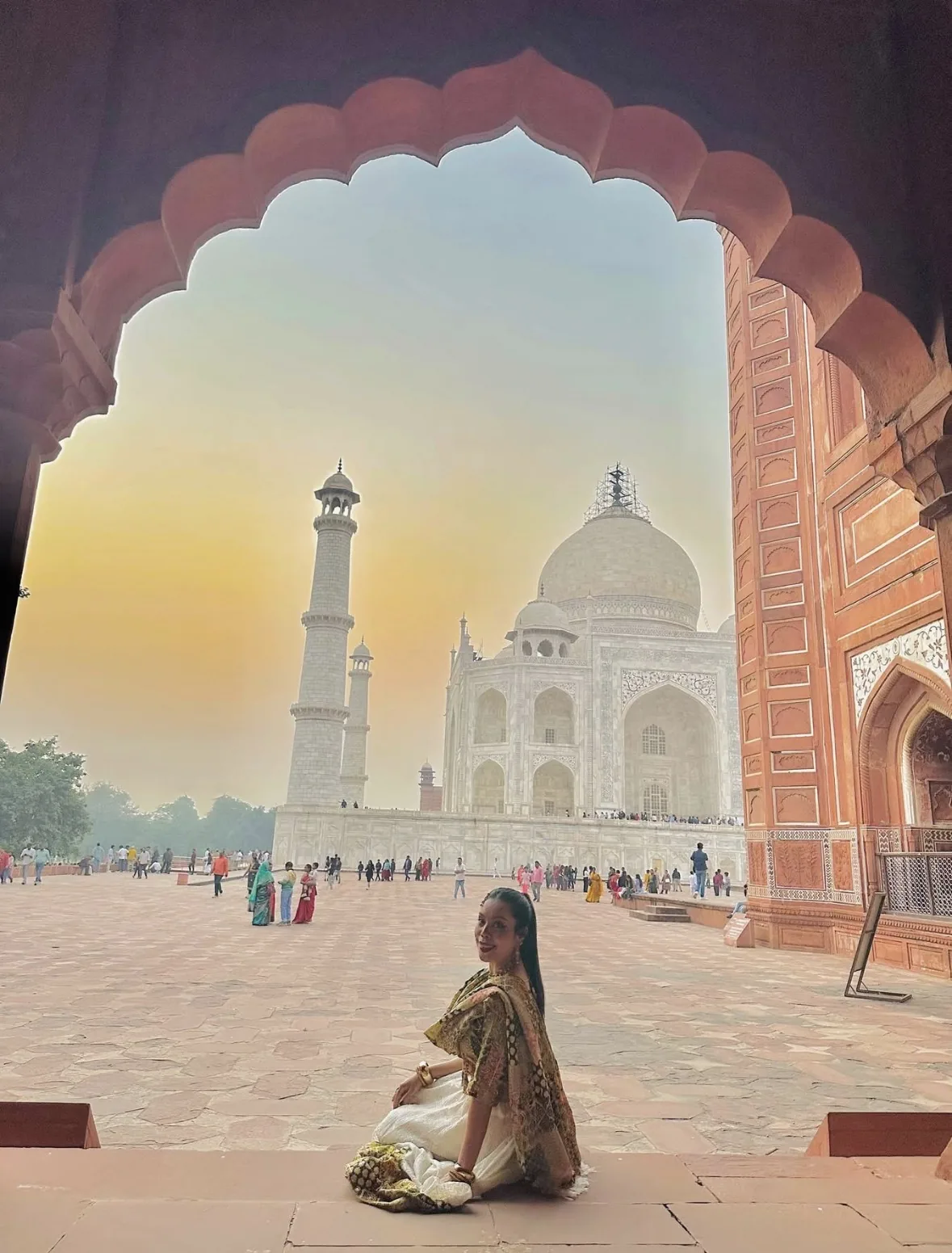
Before you touch a visa form or a flight search, decide where you are actually going, since that choice shapes everything else, including your visa timeline and your flight route. India is a large country, and no first trip covers all of it. Delhi, Agra and Jaipur sit close enough together that a private car can move between them in a few hours, which keeps your days full of sightseeing rather than travel. This is the classic Golden Triangle route, and it is where most first-timers begin. Delhi shows you the capital’s mix of old monuments and busy modern neighborhoods. Agra holds the Taj Mahal, best seen at sunrise before the crowds and the heat build up. Jaipur adds forts, palaces, and a slower pace after two demanding days. Most travel advisors and first-time visitors settle on this triangle for a first trip simply because it fits a normal US vacation window without long domestic flights or scattered routing.
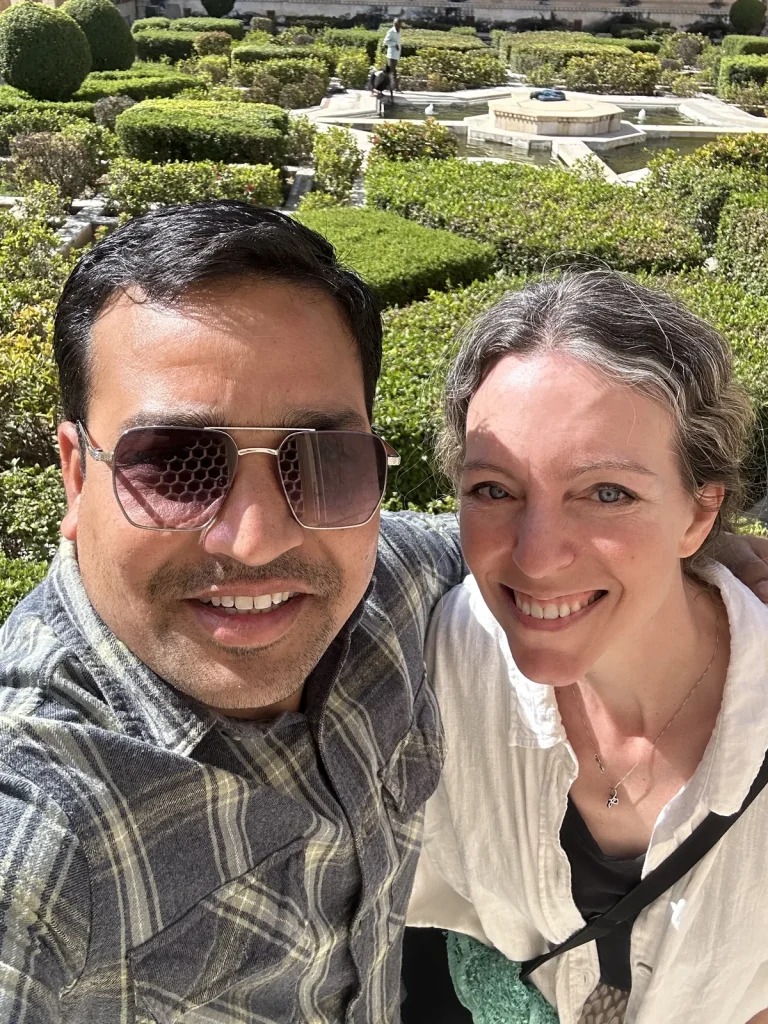
“Great experience with this tour company. Our driver is a very helpful person. Our guide Danish gave us lots of detail on Old and New Delhi. Highly recommended.”
When Should You Book a Trip to India From the USA?
A trip to India runs smoother when you book things in the right order. Most delays and last-minute stress come from booking a flight before checking visa processing times, or picking dates that fall in the hottest weeks of the year. Follow this order instead.
- Decide your travel window first. October through March brings cooler, drier weather across Delhi, Agra and Jaipur, and most American travelers choose these months for sightseeing. Our guide to the best time to visit the Golden Triangle breaks this down month by month.
- Apply for your e-Visa about four to six weeks before departure, since processing times can stretch during the busiest travel months.
- Book flights two to three months ahead for better fares, especially if you plan to travel in December or January, when demand runs high.
- Confirm your private tour four to six weeks ahead during peak season, since guides and hotels fill up faster between October and March than in the off season.
India Travel Seasons at a Glance
| Season | Months | Weather | Best for |
|---|---|---|---|
| Cool season | October to March | Comfortable, dry, cool evenings | First-time visitors, sightseeing, photography |
| Summer | April to June | Hot, often above 100°F in Rajasthan | Fewer crowds, lower hotel rates |
| Monsoon | July to September | Humid with scattered rainfall | Budget travel, green landscapes |
Do US Citizens Need a Visa for India, and How Do You Apply?
Yes, and the process happens entirely online, without a visit to a consulate for most trip lengths. Here is what the application actually involves, step by step.
- US citizens travel to India on an e-Visa, applied for through the official government portal before departure. No embassy appointment is needed for a standard tourist visit.
- Your passport needs at least six months of validity remaining from your date of arrival in India.
- The online application asks for a digital photo and a scanned copy of your passport’s information page, along with your travel dates.
- Processing usually takes a few business days, though it can extend during busy months, so apply early rather than close to your departure date.
- Print a copy of your approved e-Visa and carry it with your travel documents, since immigration officers at the airport may ask to see a paper copy on arrival.
Visa rules and fees can change, so confirm the current requirements on the official Indian government e-Visa portal before you apply. When you book with us, we send you the current link and the exact steps so you are not piecing them together from old forum threads.
How Do You Book Flights From the USA to Delhi?
Direct flights from the United States to Delhi run on a small number of routes, mainly from Newark and Chicago, so most travelers connect once through Europe, the Gulf, or East Asia. Total travel time typically falls between fifteen and twenty hours, depending on your home city and the length of your layover. Booking two to three months ahead usually secures a better fare than booking a few weeks out, and midweek departures often cost less than weekend ones. Once you land, your body clock will sit nine and a half to ten and a half hours off, depending on the time of year, so plan a slow first day rather than heading straight into sightseeing.
Typical Flight Times to Delhi by US Region
| Departure region | Typical layovers | Approximate flight time |
|---|---|---|
| East Coast (New York, Newark) | Nonstop or one stop | 15 to 17 hours |
| Midwest (Chicago) | Nonstop or one stop | 16 to 18 hours |
| West Coast (Los Angeles, San Francisco) | One stop | 18 to 21 hours |
Flight times and routings change with the seasons, so treat these as planning estimates and confirm current schedules when you book.
What Should You Expect When You Land in Delhi?
Arrival at Indira Gandhi International Airport is straightforward once you know what comes next.
- Immigration lines move steadily, though peak evening arrivals can take forty-five minutes or longer, so build a buffer into your first connection or hotel check-in.
- Exchange a small amount of currency at the airport for your first day, then use ATMs in the city for better exchange rates on the rest of your trip.
- A local SIM card or an international data plan makes navigation, translation, and staying in touch with your driver far easier for the rest of the trip.
- If your tour includes airport pickup, your driver meets you past customs with a name sign, so you can skip arranging a taxi in an unfamiliar city late at night.
How Many Days Do You Need for Your First India Trip?
Three days covers the Golden Triangle at a fast pace, suited to travelers with limited vacation time. Four days remains the most common choice among American visitors, since it allows a full sunrise visit to the Taj Mahal, time at Agra Fort and Fatehpur Sikri, and an unhurried day in Jaipur. Five to six days adds room for local markets, food experiences, and a slower pace across each city. Travelers with more vacation time sometimes extend the route with a tiger safari in Ranthambore National Park or a stop along the Ganges in Varanasi. You can compare the four-day itinerary, the six-day itinerary, or the Ranthambore extension to see which pace suits your schedule, and our guide to choosing 3, 4, or 5 days walks through the trade-offs. Travelers pressed for time sometimes choose a same-day trip to Agra instead of the full circuit, though most first-timers find the extra days worth the trade.
What Problems Do First-Time US Travelers Actually Run Into?
Online visa guidance changes without much warning, and travelers often land on outdated instructions from old blog posts or forum threads. Our team sends the current e-Visa link and application steps once you book, so you are not left checking multiple sources days before departure and wondering which one is still accurate.
Currency confusion trips up a lot of first-time visitors. Prices listed in Indian Rupees are hard to judge from a US bank account, and travelers often worry about hidden charges once they arrive at a hotel or monument counter. Every quote from our team comes in US dollars and covers your private car, driver, English-speaking guides, monument tickets, and hotels, so the number you see at booking matches what you pay at the end of the trip. If budgeting is your main question, our breakdown of the Golden Triangle tour cost from the USA shows what a trip actually runs.
A third problem shows up after arrival, when a flight gets delayed or plans need to shift and a traveler realizes they have no local contact to call. Our team, based in Delhi and Agra, meets you at the airport in person and stays reachable by phone and WhatsApp for the length of your trip, on your time zone, so a delayed flight does not turn into a scramble. If safety is on your mind for a first visit, our guide on whether India is safe for tourists covers it in detail, and you can read more about the team behind these trips on our About Us page.
Ready to Plan Your Trip?
If you are ready to move from research to a real itinerary, tell our team your travel dates and what you would like to see. We send a tailor-made quote in US dollars within twenty-four hours, with no obligation to book. Our Golden Triangle tour from the USA page shows the core trip in US dollars, so you can start with a plan built around your dates, not a generic package.
Ready to Plan Your First Trip to India?
Tell us your travel dates and what you’d like to see, and we’ll build a private, tailor-made itinerary within 24 hours. A real person on your time zone will walk you through visas, flights and pace before you commit to anything.
Call US: +1 (929) 335-9645 | India: +91 84302 51784 | WhatsApp | info@perfectagratours.com