Golden Triangle Tour Cost From the USA: A Complete 2026 Budget Breakdown
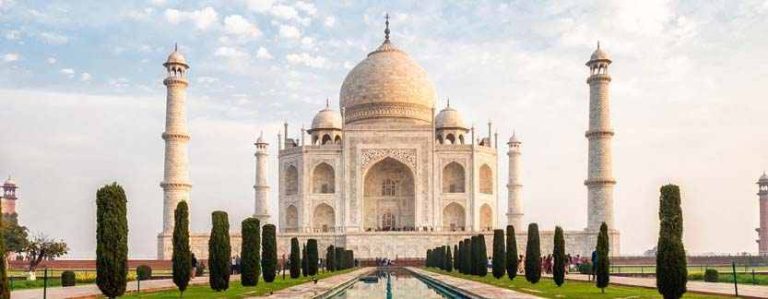
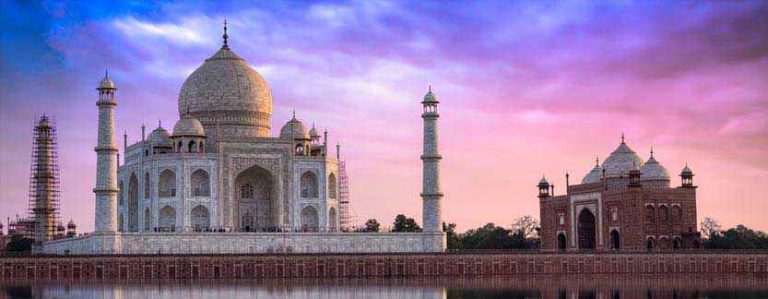
Ask five people what a trip to India costs and you’ll get five different numbers, anywhere from $800 to $8,000. That gap makes planning stressful, especially when you’re trying to fit the Taj Mahal into a two-week vacation and a real budget. This guide breaks down every cost tied to a Golden Triangle tour from the USA in 2026 — flights, visa, the private tour package, monument tickets, meals, and tips — with the actual numbers US travellers pay, and where that money quietly disappears when nobody plans ahead.
What Goes Into Your Golden Triangle Tour Cost?
A Golden Triangle tour cost is never one number. It’s six separate costs stacked on top of each other, and most first-time travellers only budget for one or two:
- International flights from the USA to Delhi
- The India tourist e-visa
- Your private land package: car, driver, guide, hotel, and breakfast
- Monument entry tickets in Delhi, Agra, and Jaipur
- Meals beyond breakfast, plus snacks and drinks on the road
- Tips for your guide and driver
Miss even one line on that list, and your final bill looks nothing like the number you had in your head at the airport.
“Great experience with this tour company. Our driver is a very helpful person. Our guide Danish gave us lots of detail on Old and New Delhi. Highly recommended.”
How Much Do Flights From the USA to India Cost?
Flights are usually the single biggest line item — often bigger than every other cost combined. Round-trip economy fares from major US cities to Delhi typically run $900 to $1,600, depending on your departure city, season, and how far ahead you book. New York, Newark, and other East Coast hubs tend to land at the lower end, where more nonstop and one-stop routings exist; West Coast fares usually cost more, since most routes connect through Europe or the Gulf.
October through March brings the most comfortable weather for sightseeing — and it’s also the priciest season to fly. Booking two to four months ahead, on a weekday departure, keeps most travellers near the lower end of the range. Business class runs several times higher and rarely earns its cost on a trip built around early sunrise starts and long touring days. (For a full month-by-month view, see our guide to the best time to visit the Golden Triangle.)
What Does the India Tourist Visa Cost for Americans?
US citizens need a visa to enter India — there’s no visa-on-arrival for American passport holders, so this step can’t be skipped or handled at the airport. The e-Tourist Visa, applied for online through the official government portal, is the easiest route for most travellers. At the time of writing, a 30-day e-visa costs about $25 in the July–March season and about $10 in the April–June window, plus a small bank processing charge of roughly 3%. A one-year, multiple-entry e-visa is about $40, and a five-year version about $80. Processing usually takes two to five business days, so apply at least a week before departure. Use only the official portal at indianvisaonline.gov.in — several third-party sites charge a markup for the exact same visa. (Fees are set by the government and change periodically; confirm the current amount on the official portal.)
What Does the Golden Triangle Land Package Actually Cost?
The land package is what most people picture as the “tour cost”: your car, driver, guide, hotel, and daily breakfast, bundled into one per-person rate. Here’s what that looks like across the standard itinerary lengths.
| Tour length | Starting price / person | What changes |
|---|---|---|
| 3 Days / 2 Nights | $189 | A fast-paced highlights run through Delhi, Agra, and Jaipur |
| 4 Days / 3 Nights | $219 | The most booked option; adds a full Delhi day and the sunrise Taj Mahal |
| 5 Days / 4 Nights | $239 | Extra time for markets, food, and quieter corners of each city |
| 6 Days / 5 Nights | $259 | An unhurried pace, with room to add a stop like Ranthambore |
A private land package generally includes an air-conditioned car with driver for the full Delhi–Agra–Jaipur–Delhi route, a certified English-speaking guide, hotel accommodation with daily breakfast (from comfortable 3-star to luxury 5-star, based on your budget), airport and hotel transfers, and bottled water in the car. It does not include monument entry fees, lunch and dinner, tips, or personal spending — those vary too much from traveller to traveller to fold into one flat price. One more detail: the per-person rate assumes two travellers sharing a room. Solo travellers usually pay a single-supplement premium, since the private car and guide cost the same whether one person or four are riding along.
What Do Monument Entry Fees Add?
Foreign tourists pay considerably more than Indian nationals at government-run monuments — a two-tier system used across nearly every major heritage site. It catches a lot of American travellers off guard, since it rarely shows up in the advertised tour price. On the standard four-day itinerary, monument tickets typically add $50 to $55 per person, paid in cash or by card at the gate. Children under 15 usually enter free at most sites.
| Monument | Approx. entry fee for foreign visitors |
|---|---|
| Taj Mahal | About $16 (plus about $2 for the inner mausoleum) |
| Agra Fort | About $8 |
| Fatehpur Sikri | About $7 |
| Amber Fort, Jaipur | About $6.50 |
| City Palace, Jaipur | About $9 |
| Hawa Mahal, Jaipur | About $2.50 |
| Jantar Mantar, Jaipur | About $5 |
What About Meals, Tips, and Everyday Spending?
This is where American travellers tend to guess wrong in both directions — some pack far more cash than they need, others assume everything costs a dollar and end up short. A realistic range: a hotel-restaurant meal runs $8–$15, a solid local restaurant $4–$8, with bottled water and snacks a few dollars a day on top. Budget around $20–$30 a day for lunch, dinner, and snacks combined. Tips aren’t mandatory but are expected:
- Guide: around $8–$10 per day
- Driver: around $5–$7 per day
- Hotel staff and porters: $1–$2 per bag or service, similar to US norms
A Realistic Total for a US Traveller
Once every line item is added up, a four-day, three-night Golden Triangle trip from the USA tends to land in one of three ranges:
- Lean budget — around $1,500 / person: economy flights booked early, the 4-day land package, budget-friendly meals, standard tips.
- Comfortable mid-range — $2,000–$2,200 / person: better-located hotels, a few sit-down meals a day, no corners cut on tips or extras.
- Higher comfort — $2,800+ / person: 5-star hotels, premium flight seating, and add-ons like a Ranthambore safari or a Varanasi extension.
None of these include souvenirs, optional experiences like a cooking class or hot-air-balloon ride, or a pre- or post-tour extension elsewhere in India.
What Usually Pushes the Cost Higher Than It Should Be?
A few patterns show up again and again. Fixed group tours can look cheaper upfront, then build in stops at commission-paying shops that eat into your sightseeing time. Some quoted prices assume double occupancy or a minimum group size, and the real per-person cost only becomes clear after booking. Currency exchanged at airport kiosks comes at a worse rate than a local bank or ATM. And last-minute hotel bookings during the October-to-March peak routinely cost more than the same room booked two months out.
This is the part we spend the most time getting right. Every tour we run is private, never bundled with strangers into a fixed group, and never routed through forced shopping stops. Quotes are laid out clearly — land package, monument fees, and meal estimates shown separately upfront — so there’s no gap between the number you’re quoted and the number you actually spend.
Ready to See Your Actual Golden Triangle Tour Cost?
Every trip is different. Send your travel dates and group size for a tailor-made, all-inclusive quote within 24 hours — no obligation. See our Golden Triangle tour from the USA for USD pricing and US traveller guidance.
Call US: +1 (929) 335-9645 | India: +91 84302 51784 | WhatsApp | info@perfectagratours.com